

Diamond dust sounds like something from a fantasy, but it is a real material that finds countless applications in both practical and artistically creative areas. So, if you want to know more about diamond dust, and the answer is "yes," you can order it, too.
What Exactly is Diamond Dust?

Basically, diamond dust consists of fragments or pieces of diamonds that, through breaking or grinding, have turned into very fine particles. Considering that diamonds are the hardest material found in nature (with a score of 10 on the Mohs scale), even the tiniest particles of diamonds still possess certain admirable qualities such as extraordinary hardness, very intense light-refraction, and strength not completely imitable by any man-made material.
Top Uses for Diamond Dust
1. Jewelry Making & Resin Art

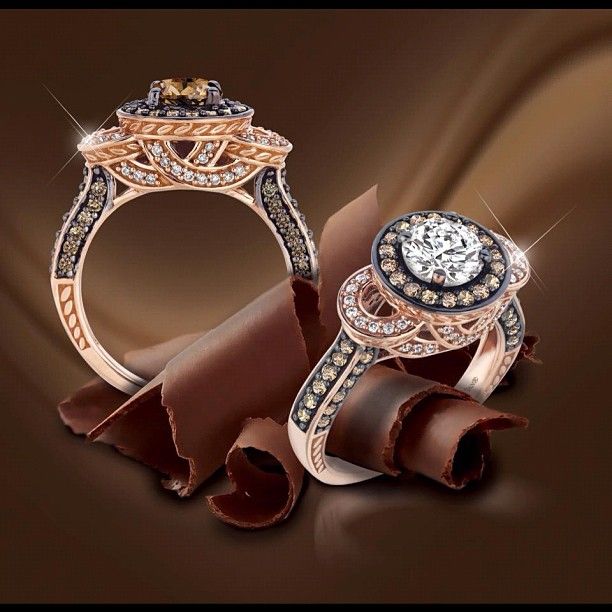
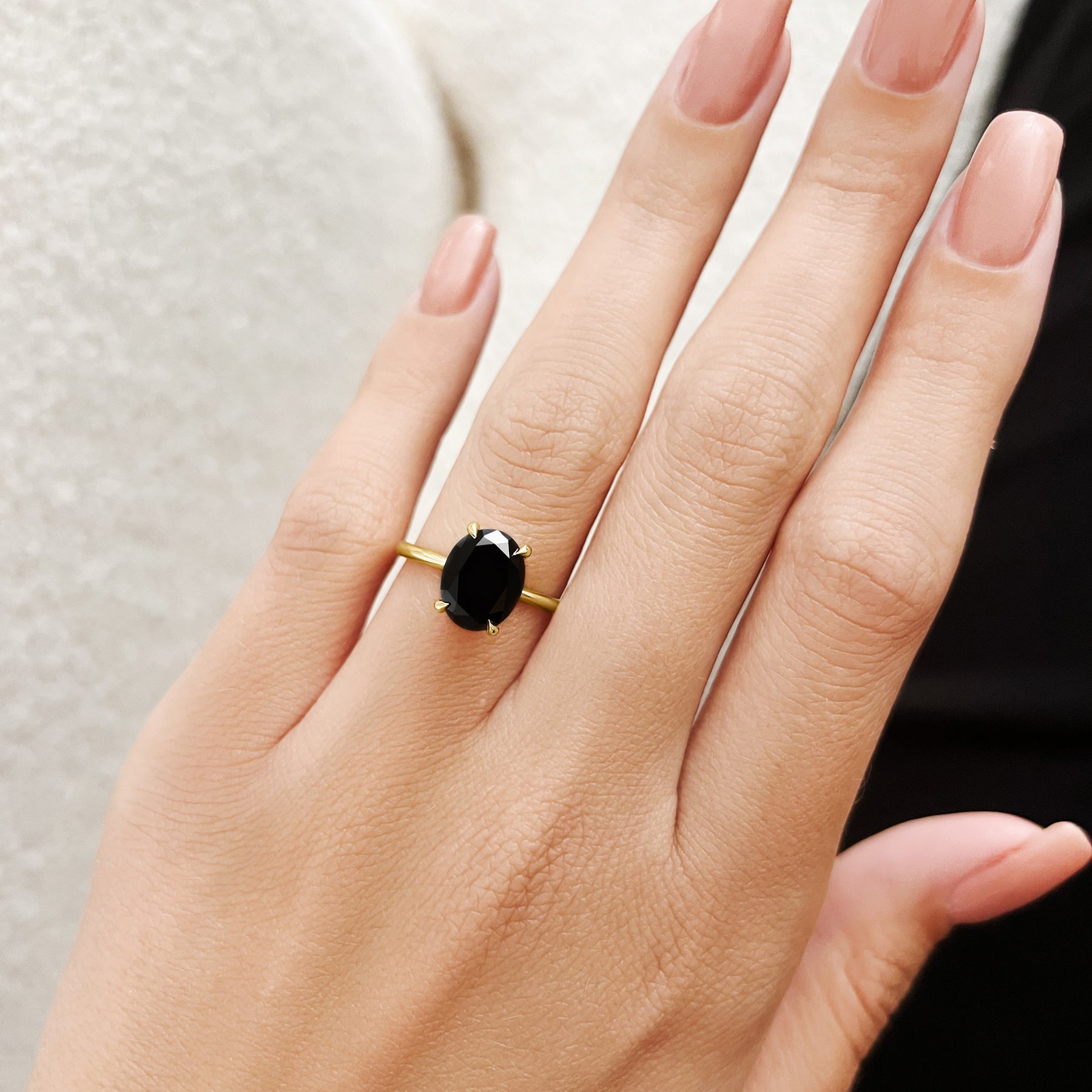
The principal artistically-driven use of diamond dust is mixing it into resin during the production of jewels. Besides being included in clear resin for pendants, earrings, etc., diamond dust also delivers a real sparkle that glass glitter cannot match. Both the jewelers and resin artists hold it in high esteem because of the genuine, luxury finish it provides.
2. Nail Art & Luxury Cosmetics

Actually, diamond dust has become part of today’s beauty industry. When incorporated into the nail gel or laid on the sealing coat, it offers a fresh and very fine sparkly effect. A few high-quality cosmetics brands also infuse diamond dust in their highlighters and skin care products due to its light-reflecting properties. The most important thing is always to make sure that a properly cosmetic-grade sealant is used when applying near the skin.
3. Epoxy Tabletops, Coasters & Home Décor

A good number of artists and interior decorators realized that diamond dust is an amazing material in epoxy pouring. As a result of this, table tops, coasters, and other types of home decorations are produced that feature both exceptional beauty and great depth.
4. Industrial Polishing & Abrasives

For a very long time, diamond dust has been an industrial tool for operations such as lapping, grinding, and polishing hard materials. Actually, the range of materials comprises gems to high precision optics. Because diamond has no match in hardness, it is the abrasive of choice for surface areas that would be very damaging to any other polishing compound.
5. Science, Geology & Education

Diamond dust is an interesting inclusion in mineral as well as geology collections. It is also an element of scientific research and in educational environments as a demonstration of the properties of carbon allotropes and crystal structures.
6. Candles, Paintings & Custom Crafts

The most creative artist have found endless innovative applications — from dusting candles to give them a splendid finish to mixing into paint to obtain a glittering effect on canvas. The only limit is your imagination.
What Color Does Diamond Dust Come In?
Depending on the source diamonds, natural diamond dust is produced in a variety of colors. The major ones are:
- White/Grey — The traditional, versatile choice that produces a bright, neutral glitter
- Yellow — A warm golden shade, perfect for highlight work and warm-toned designs
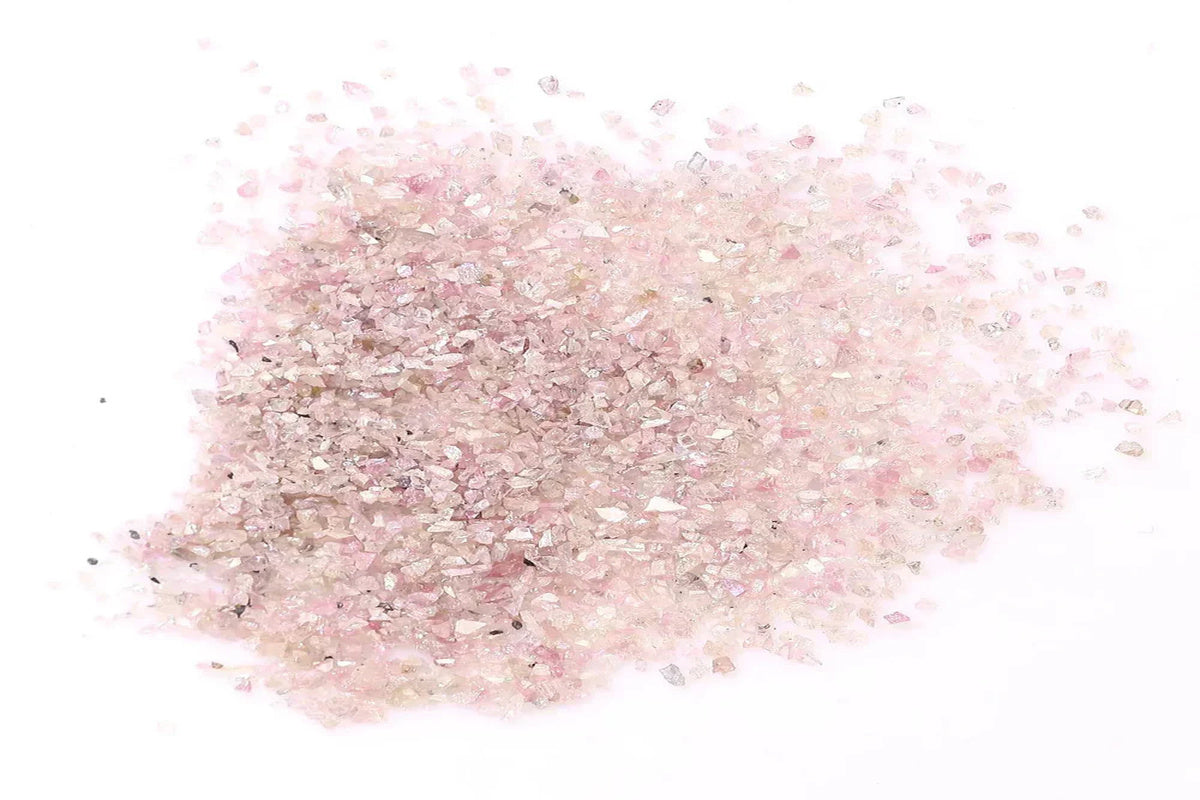
- Pink — Extremely rare and visually captivating, suitable for premium and luxury creations
How Much Diamond Dust Do You Need?
Diamond dust is specified in terms of carats (ct). The following can serve as a starting point:
- 5ct (1g) — Suitable for a few pieces of resin jewelry or several nail art applications
- 10ct (2g) — Appropriate for a small batch of resin art or a mixed-media project
- 20ct (4g) — Great for bigger projects, multiple pieces, or if you want to experiment freely
Where to Buy Real Diamond Dust
At Blackdiamond, we offer natural diamond dust which we obtain directly from real diamonds — no synthetics or glass involved. Our diamond dust can be found in several colors and packages to match your project.
- 5ct Rough Raw White/Grey Diamond Dust — from $17
- 1ct Rough Raw Yellow Diamond Dust — $20
- 5ct Rough Raw Pink Diamond Dust — $57
Real diamond dust is becoming more and more reachable to the public, whether you are a jeweler, an artist, a crafter or just a curious person.
Related Posts :-


Leave a comment
This site is protected by hCaptcha and the hCaptcha Privacy Policy and Terms of Service apply.